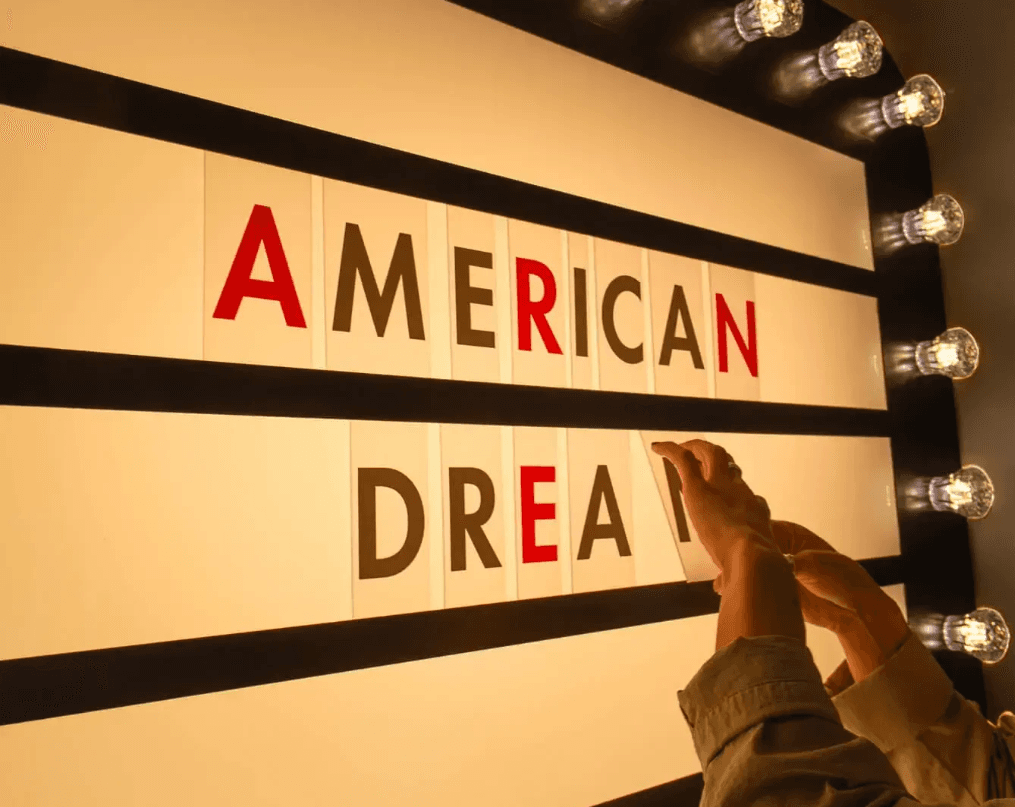
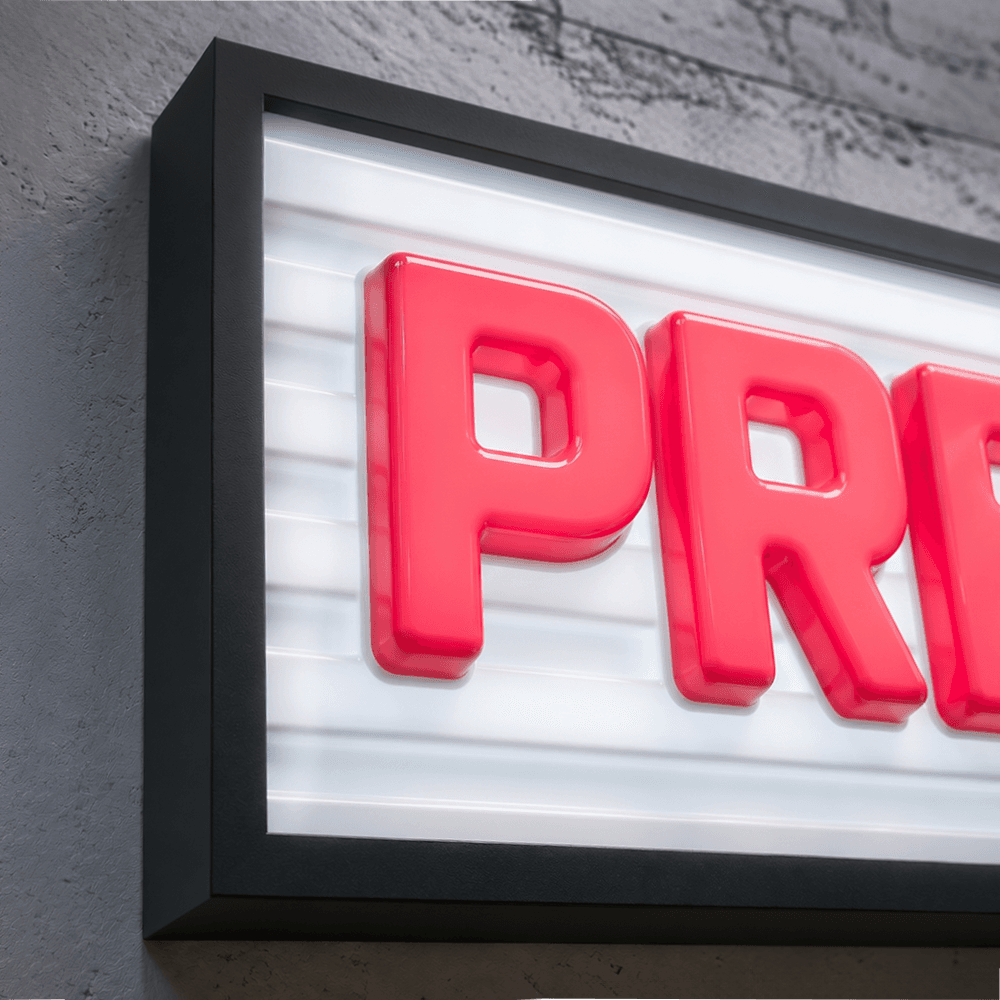
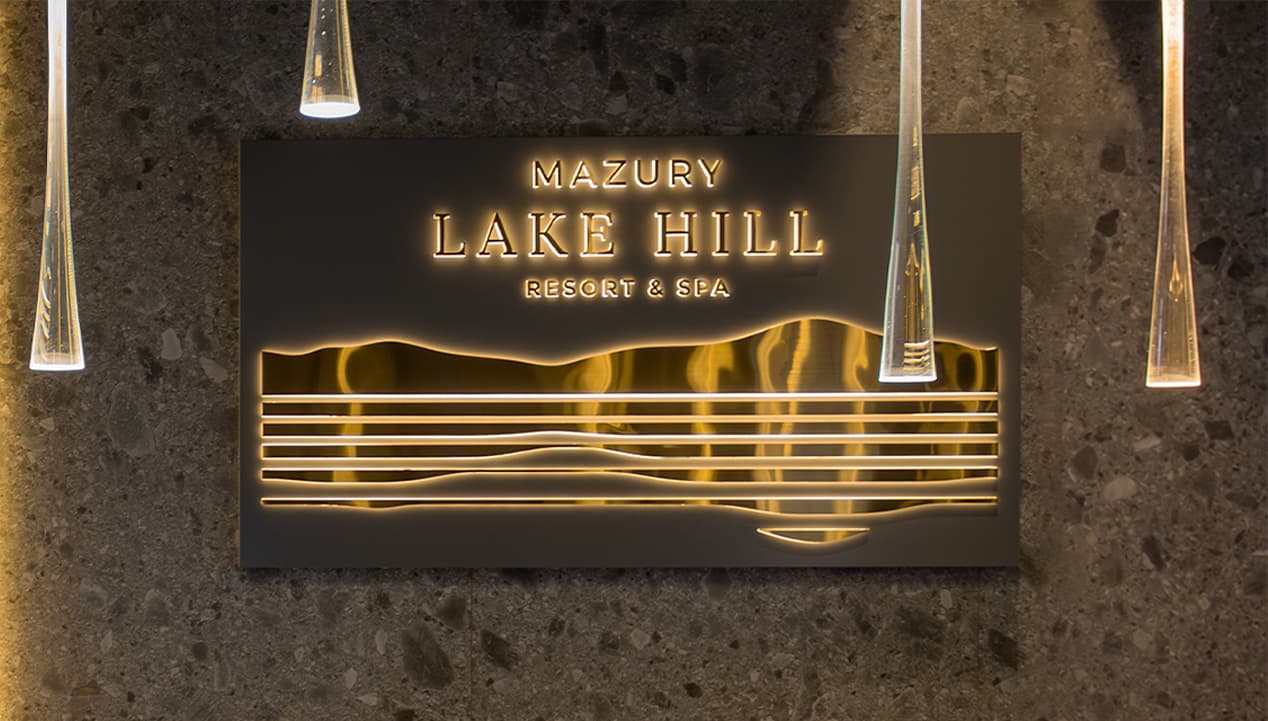
ILLUMINATED SIGNS AND LIGHTBOXES DESIGNED FOR BRAND ARCHITECTURE


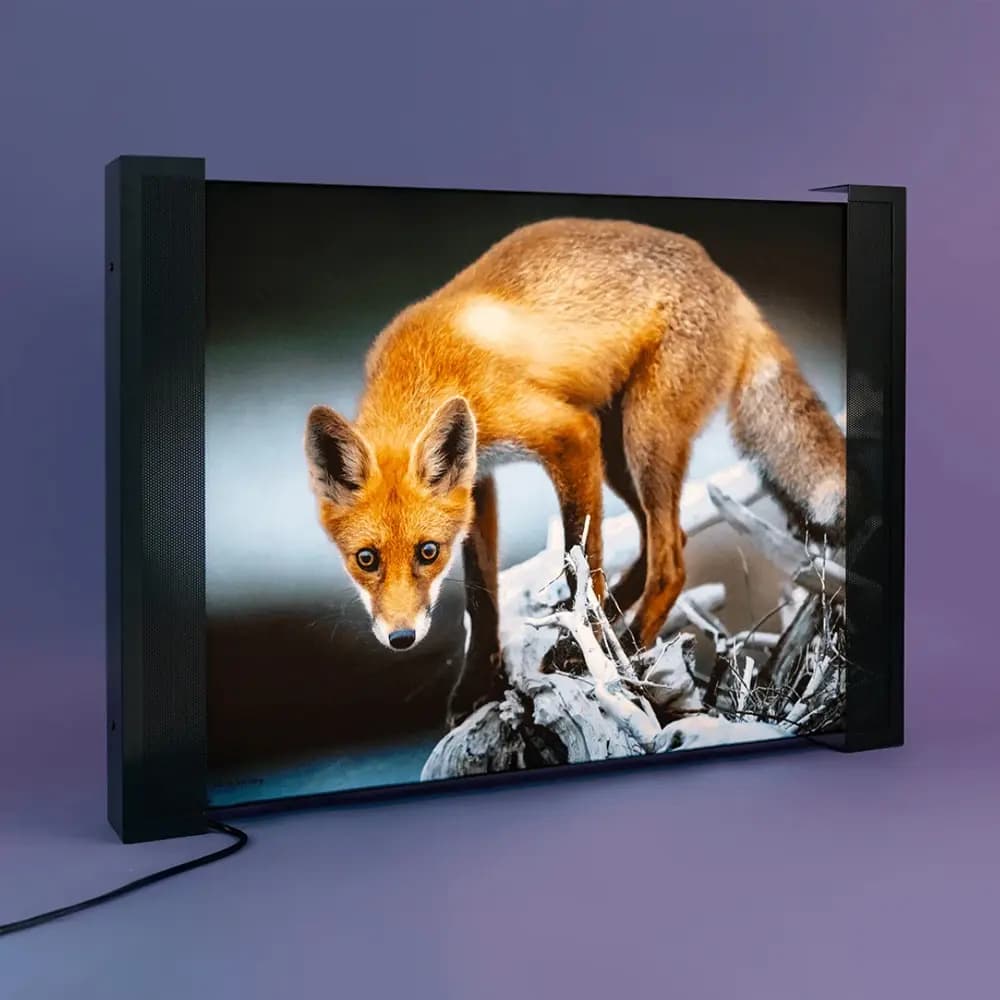
An illuminated sign, also known as a lightbox, is a backlit signage system that combines structure, face panel, LED lighting, graphics or dimensional elements into a clear brand identification medium for facades, interiors, or commercial spaces. PRETENDE designs and manufactures lightboxes as architectural brand visibility systems — tailored to the location, lighting conditions, materials, installation method, and long-term use. It is a solution for companies that are not looking for a random illuminated box, but for durable, aesthetic, and technically refined signage.
"TYPES TYPES OF SIGNAGE FOR BUSINESS" TECHNOLOGIES

Illuminated signage systems for architecture, brands, and commercial spaces
PRETENDE lightboxes are architectural lighting systems designed for location, function, and scale.
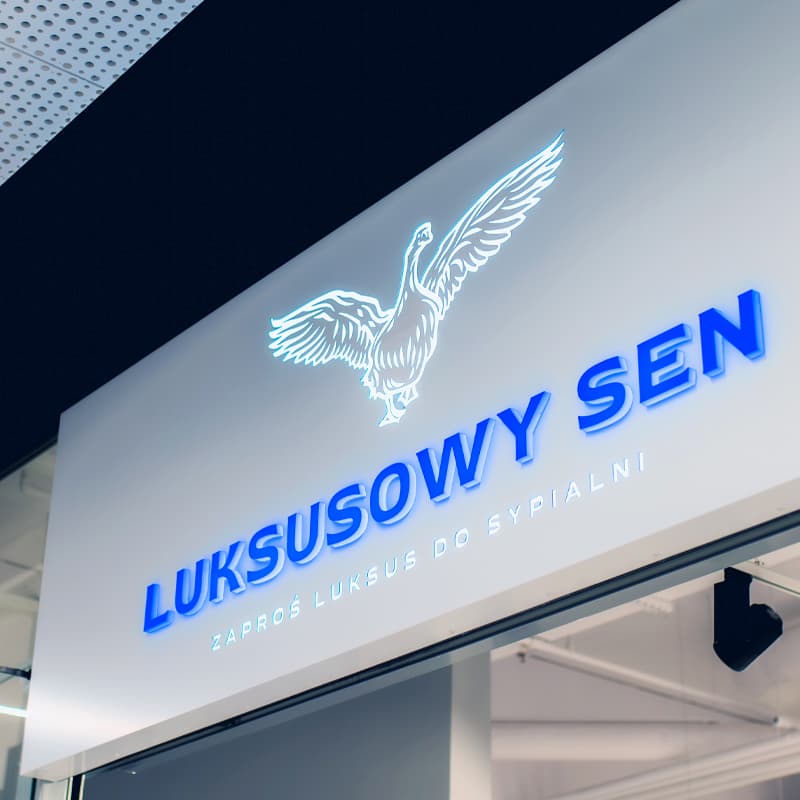
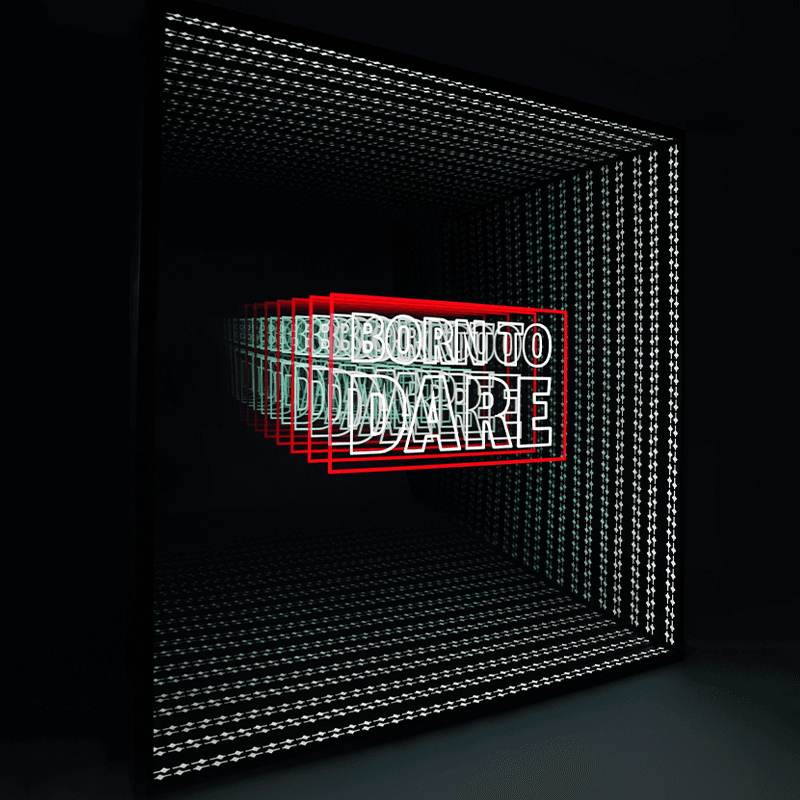
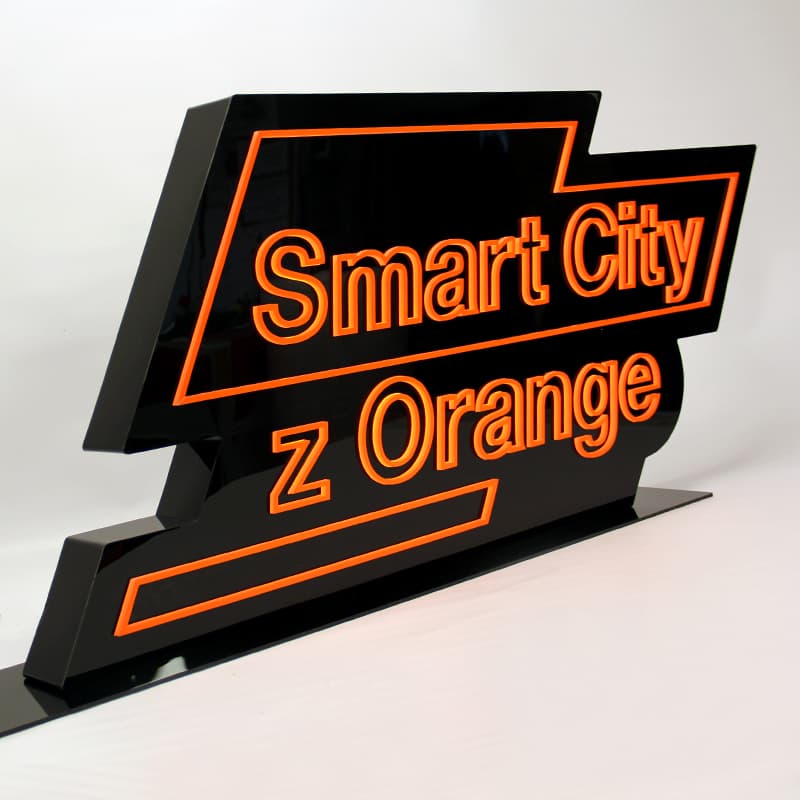
They include logo-shaped signs, facade lightboxes, large-format systems, textile displays, and statement lighting forms.
The choice of system depends on construction, lighting, installation method, durability, and the overall impact on the space.
Choose a category and discover a solution tailored to the architecture, brand identity, and desired visual effect.

We provide quotes only by email or through the form.

Lightbox as a brand visibility system

Lightbox is an illuminated signage system that combines structure, face, LED light and brand identity elements into a clear visibility medium.

.

It is used on facades, entrances, reception areas, showrooms, shopping malls and commercial spaces.

.

The lightbox effect is created by the controlled distribution of light behind the face or inside the structure.

.

The depth of the lightbox, the type of surface, the distribution of LED modules, the color of the light and the way in which the graphics or spatial elements are made all matter.

The perception of a lightbox is affected not only by the graphic design. The proportions, contrast, evenness of illumination, quality of material and the way the signage is embedded in the space are important.

A well-designed lightbox remains legible during the day, after dark and in changing environmental conditions.

.
  • What is a lightbox?
  • How backlighting works
  • What influences the effect of

Choosing the Right Lightbox for the Space

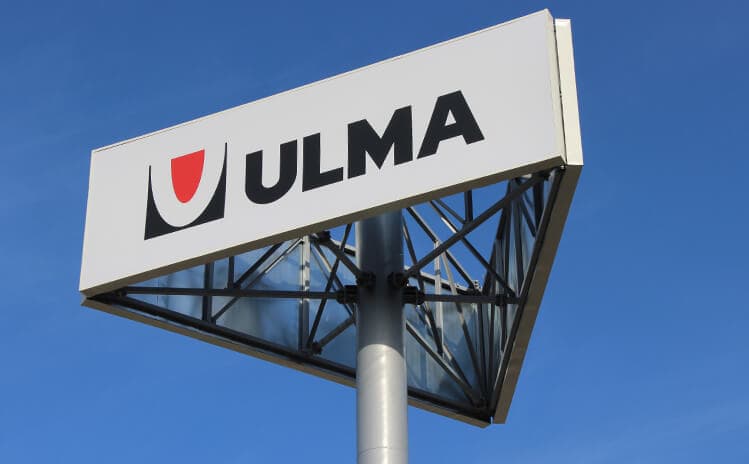
The lightbox on the façade should result from the scale of the building, the proportions of the façade and the way the user sees the building from the street.

.

It's not just about strong display. Good signage organizes the entrance, reinforces the brand's presence and does not disrupt the character of the architecture.

Lightboxes on the façade of a building are not just about the building.

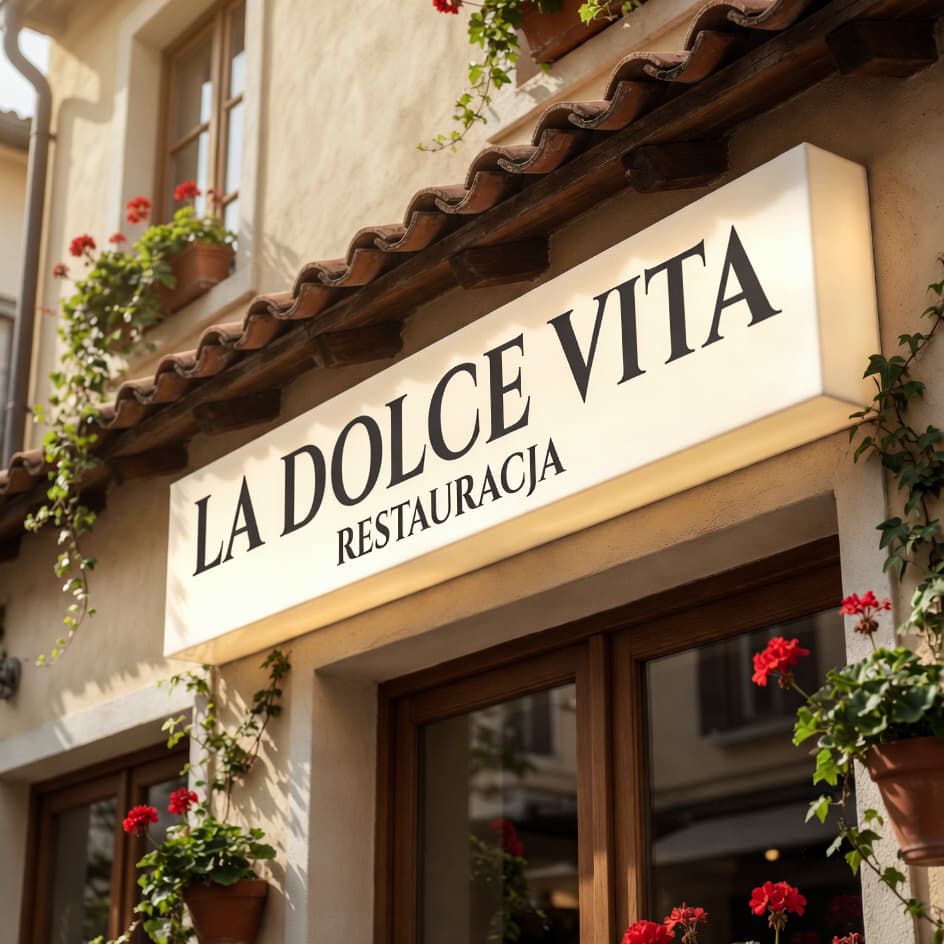
Lightbox in the interior has a more representative function. It can build the atmosphere of a reception area, showroom, service point or display area.

In such an application, detail, light color, cleanliness of the surface and consistency with the materials of the interior are more important.

It is different to design a lightbox viewed at close range, a signage visible from the sidewalk, and a large form on a facade.

Sighting distance affects size, proportion, contrast, detail thickness and light intensity.

.

After dark, the lightbox should be legible but not visually aggressive.

.

Too strong light, glare, spots or uneven backlighting can lower brand perception, even if the form of signage itself is correct.

.
  • Facade
  • Interior
  • Observation distance
  • Visibility after dark

Light, Material & Construction

The light in a lightbox must be designed for a specific structure and surface.

The placement of LED modules, the depth of the lightbox and the color of the light determine whether the effect will be even, calm and clear.

Lico affects appearance, durability and the way light penetrates.

.

An acrylic works differently, a flexible face works differently, a dibond with cut-outs works differently, and a system with raised letters works differently. The selection of the surface should be based on the format, the installation location and the desired effect.

The surface should be chosen according to the format, the installation location and the desired effect.

The design is responsible for the stability, depth, finish and durability of the lightbox.

.

A lightbox that is too shallow or poorly designed can cause uneven light, installation problems and poorer visual quality.

.

Lightboxes should be prepared with installation, power and subsequent service access in mind.

This is especially important for outdoor signage, larger formats and locations where technical access is limited.

  • LED light
  • Face and surface
  • Design
  • Installation and service

Lightbox in PRETENDE Standard

PRETENDE begins a lightbox project by analyzing the location where the signage is to operate.

We verify the signage's function, the scale of the space, the viewing perspective, lighting, mounting, power supply, and brand character. This ensures the solution is never chosen at random.

The technology stems from the expected effect, materials, format, type of backlighting, and installation conditions.

As a PRETENDE standard, technical decisions are an integral part of the design, as they impact readability, durability, maintenance, and brand perception.

The production of a lightbox requires control of construction, surface, light, fixings, and finishing details.

Every element should work together: form, material, LED, graphics, power supply, and mounting method.

PRETENDE designs and manufactures lightboxes as part of premium architectural signage systems.

The client receives a solution tailored to the location, brand, and technical conditions — not just a glowing form detached from context.

  • Site analysis
  • Technological decision
  • Production
  • Responsibility for the effect

PRETENDE ARCHITECTURAL LIGHTBOX SYSTEMS

Lightboxy i kasetony podświetlane PRETENDE projektowane pod markę, architekturę i miejsce montażu

PRETENDE projektuje, produkuje i dostarcza podświetlane systemy oznakowania premium dopasowane do logo, skali obiektu, technologii światła, sposobu montażu i oczekiwanego efektu wizualnego.
Zobacz przykłady rozwiązań od Logoform LED™ po systemy FlexFace, SEG, Acrylic Lightform™ i indywidualne formy świetlne realizowane w standardzie PRETENDE.

STAY
WITH US

JOIN PRETENDE INSIDER

Information on projects available exclusively to the PRETENDE Insider group - in advance of the market.