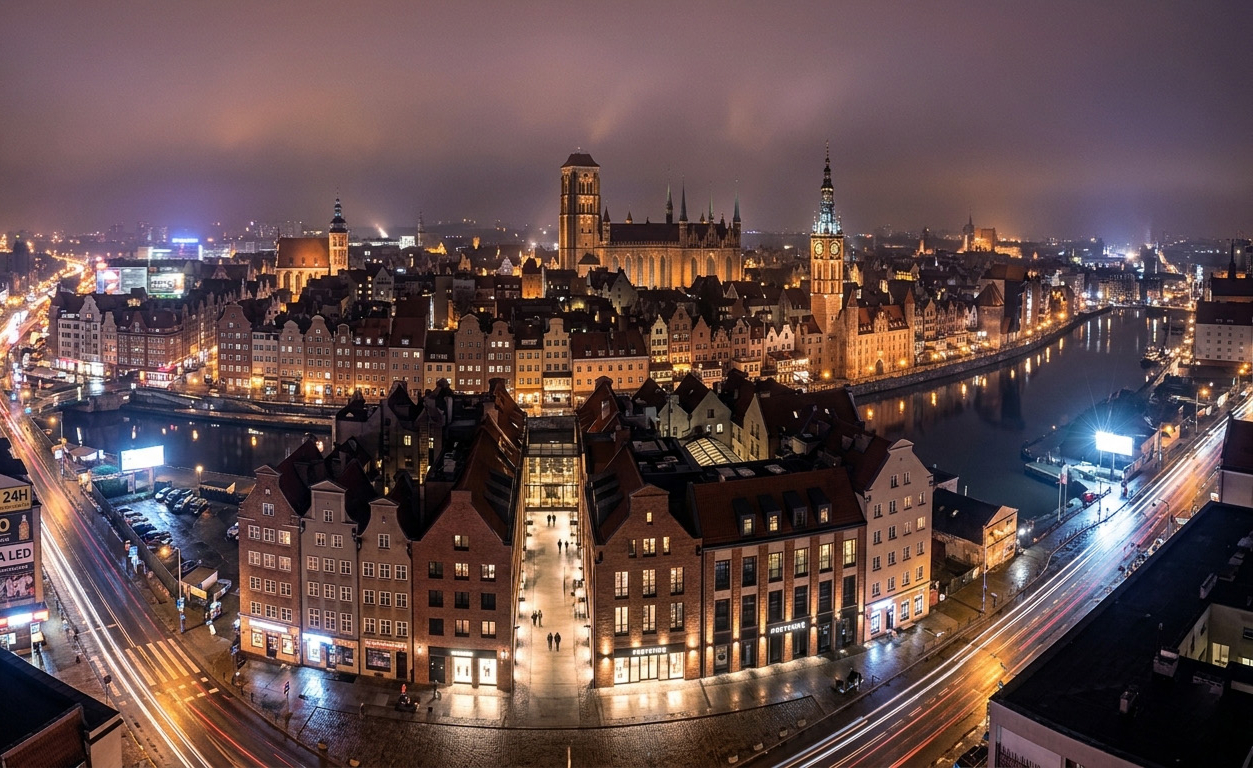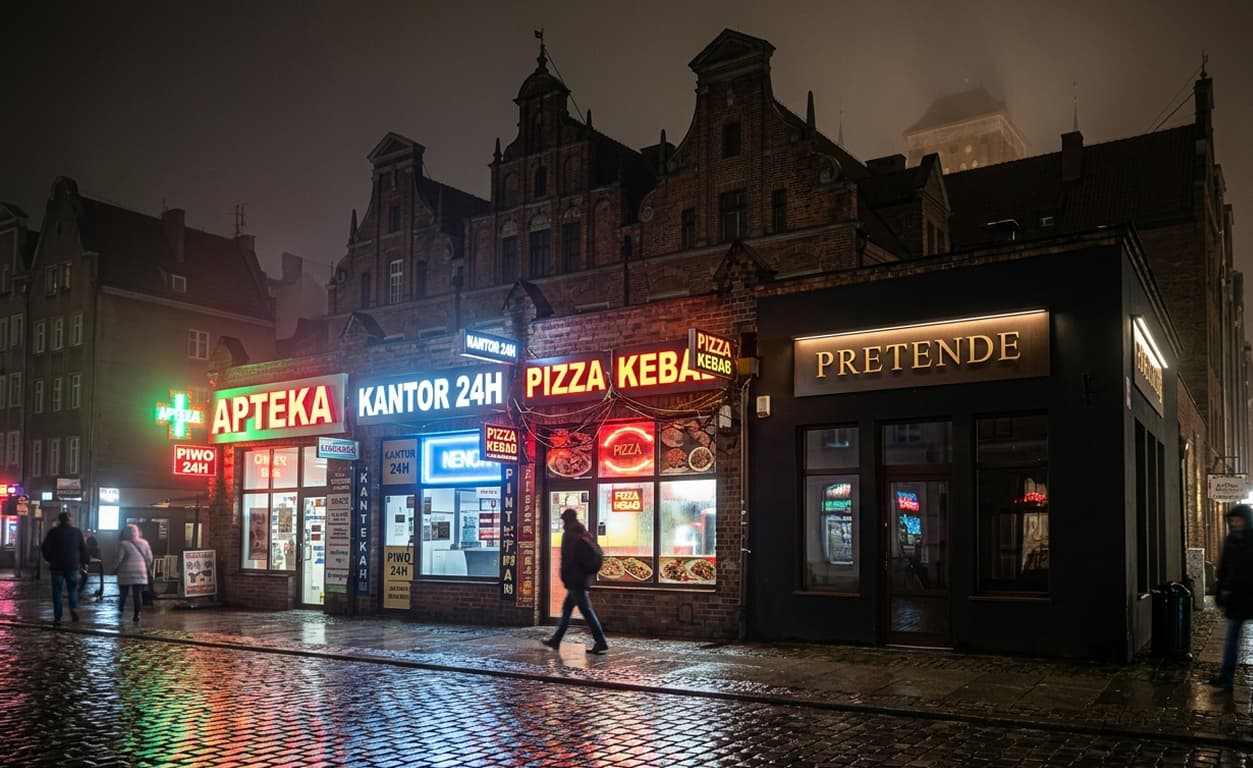
Light pollution originates at the decision stage, when light is treated as a product rather than part of a system. At that moment, the problem is built into the object.
Light operates every day after installation. If its direction is not defined, it extends beyond the façade into residential spaces and the users’ field of vision. It causes glare, reduces architectural clarity, and results in complaints and interventions in a finished object. This is a matter of controlling light emission and taking responsibility for the decision.
What is light pollution
Light pollution occurs when light does not remain on the object. It is not about quantity. It is about direction. Lack of control leads to emission beyond the intended area — light reaches the user, causes glare, and disrupts the perception of architecture. Instead of organizing space, it begins to disturb it. This involves two phenomena: glare and spill light. It is not a problem of fixtures. It is the absence of a decision about where light should end.
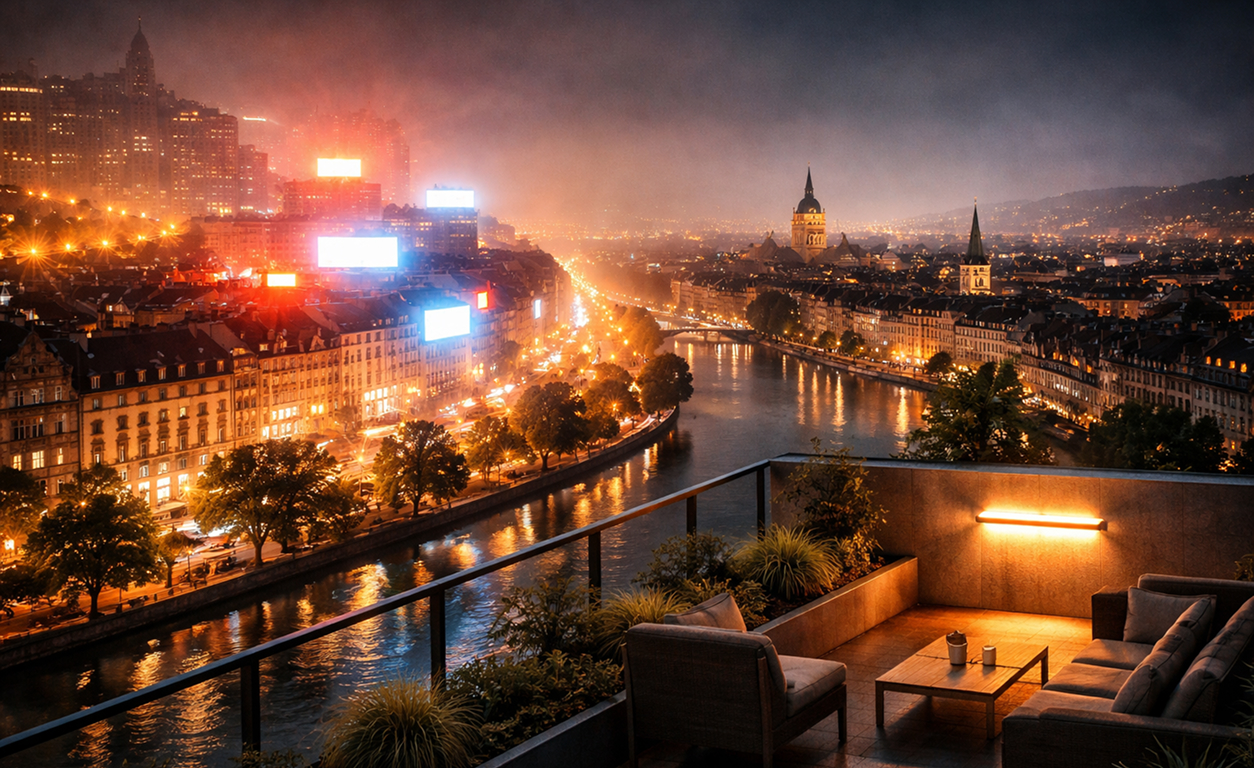
Why the problem returns after completion
Lighting is treated as a final stage. Fixtures are selected and installed after the project is completed. If the decision was wrong, installation does not fix it — it only reveals the problem. Light is a constant emission. If it was not limited at the design stage, it remains in the object and requires later corrections. That is why the issue returns.
Market standard
Responsibility is divided. The designer, supplier, and contractor each handle their own scope, but no one is responsible for the final effect. In practice, the investor analyzes solutions, compares offers, and controls execution. And after completion, they return to the problem.
There are two scenarios:
- single responsibility → the issue is resolved
- divided responsibility → the problem returns

PRETENDE: light control system
We treat lighting as a system for which we take full responsibility. The starting point is defining where the light should stop. Based on this, we define direction and eliminate emission beyond the object. Light is part of the structure, not an add-on.
Result:
- light remains on the façade
- it does not reach the user
- no corrections are required after installation
Without a system, light escapes beyond the object and returns as a problem. With a system, it stays on the façade and the issue is closed. This solution is not for projects driven only by cost. It is for projects where mistakes create consequences.
Frequently asked questions
No. It results from a lack of control over the direction of emission.
Only through intervention in the object. That is why the decision must be made at the design stage. Light that was not controlled in the design phase returns as a problem after installation.