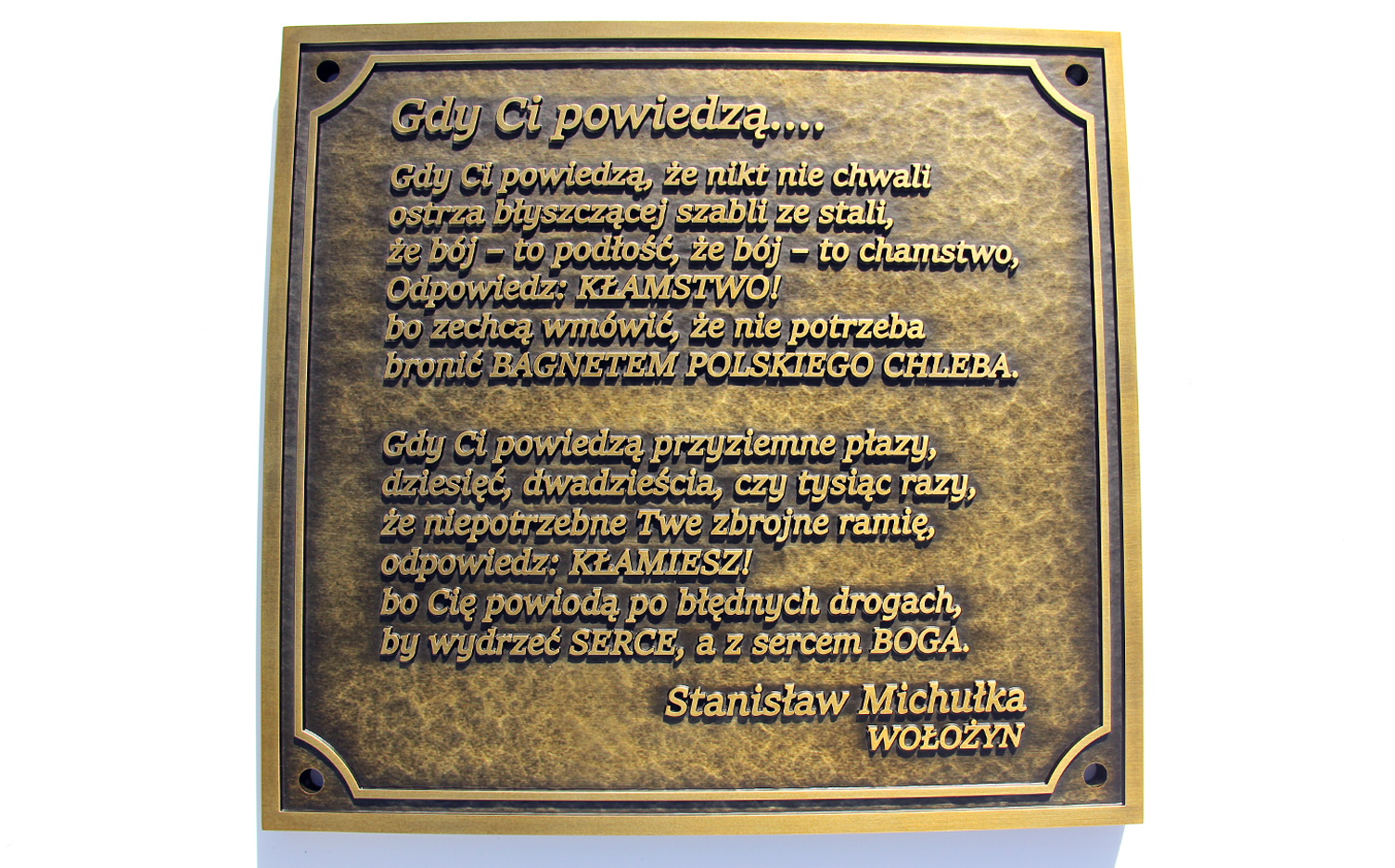

In most buildings, signage comes back. At first, it looks good. Then it starts to wear. After a few years, it no longer fits the place or requires replacement.
This is not a coincidence. It is the result of a decision made at the beginning. Because signage can be designed in two ways: either as a temporary element, or as a solution that closes the topic for years. An engraved metal plaque belongs to the latter category.
Information that becomes part of the material
The difference is not in appearance. It lies in what the information actually is.
In most signage, content is a layer — print, film, application. Something placed on the surface that gradually wears out.
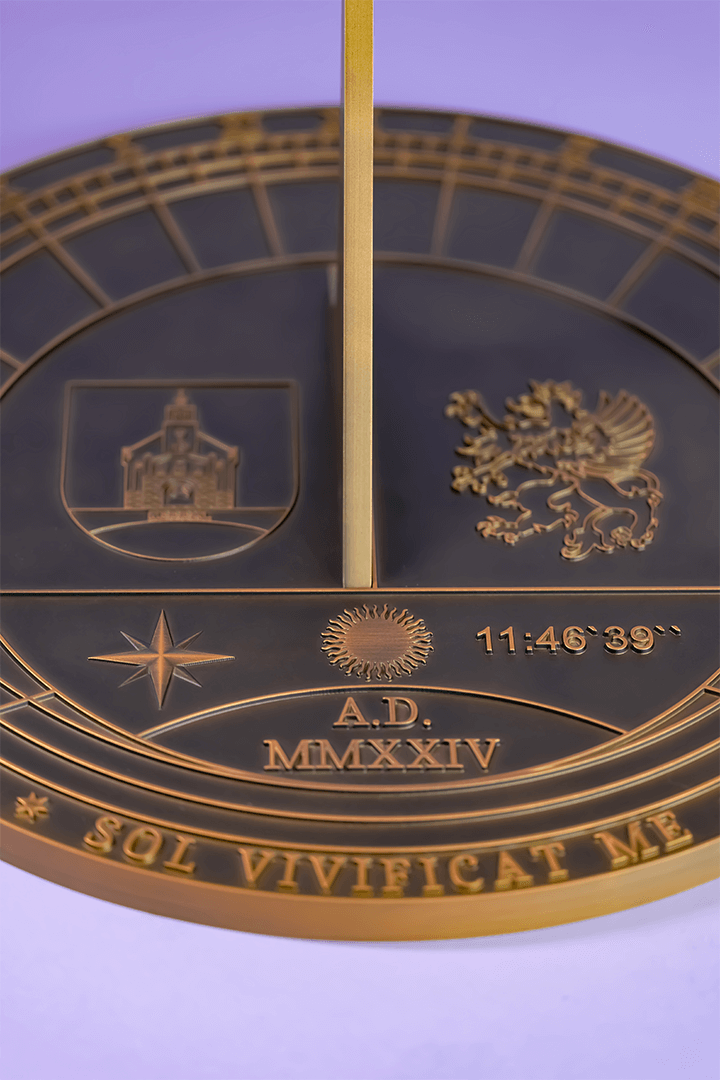
An engraved metal plaque works differently. The information is not an addition. It is part of the material.
It cannot peel off. It cannot wear away without affecting the whole.
That is why such a plaque maintains its readability and form for years — without the need for renewal.
Why signage comes back
The problem rarely lies in execution.
The problem lies in the assumption that signage will eventually need correction.
Print will always be a layer. And every layer wears out over time.
And then it comes: replacement, corrections, another project.
An engraved metal plaque eliminates this scenario from the start.
There is no element that “runs out.”
There is no moment when the signage stops looking appropriate.
Engraving instead of print
This is not about technology.
This is a decision about durability.
Print is a good solution where content changes.
But if the information is meant to stay — it becomes a limitation.
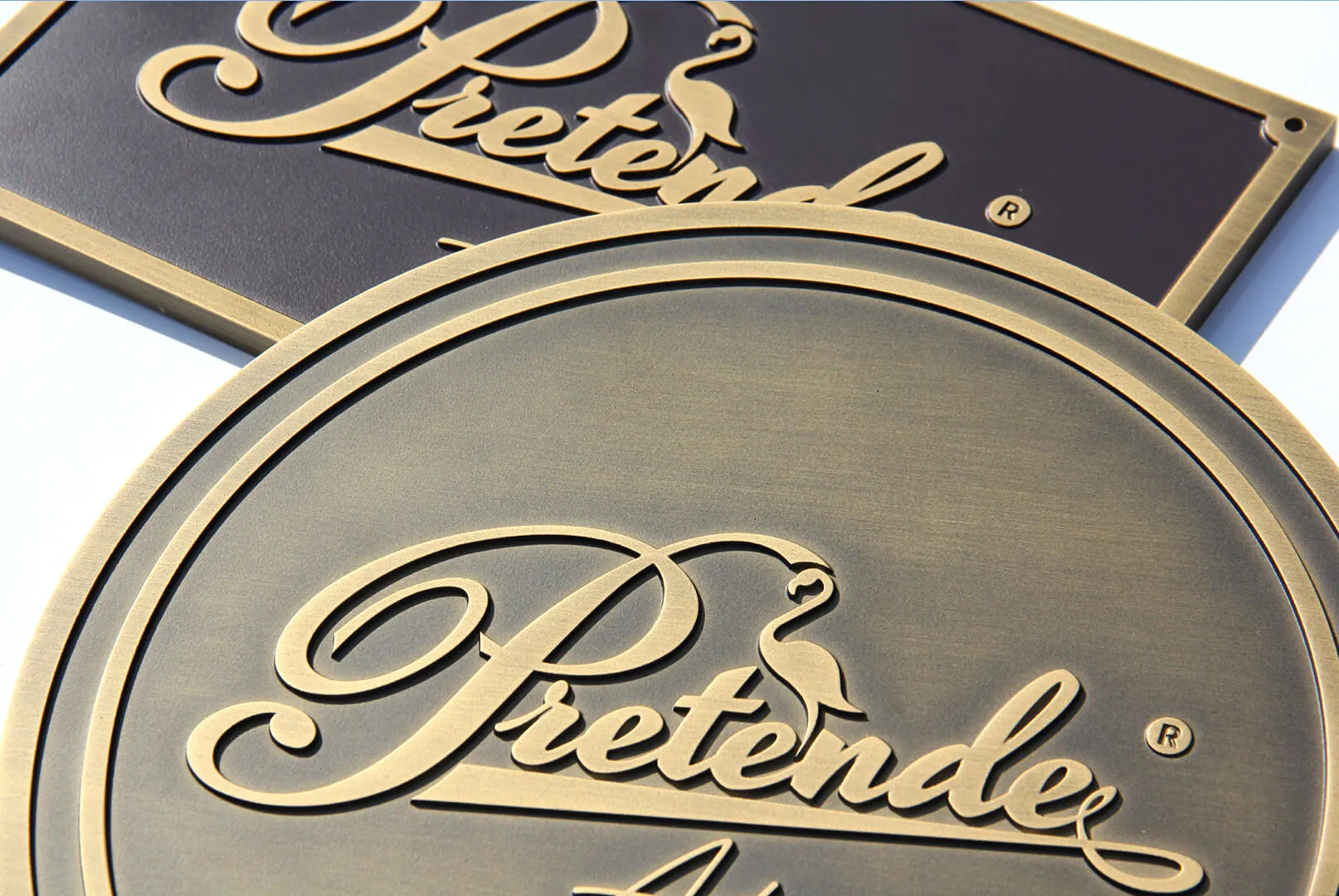
Engraving means the content is embedded in the material.
That is why engraved metal plaques are used where signage needs to be clear, durable, and permanent.
In some cases, bronze casting is also used — especially for more monumental forms — but in most situations, an engraved metal plaque remains the most universal solution.
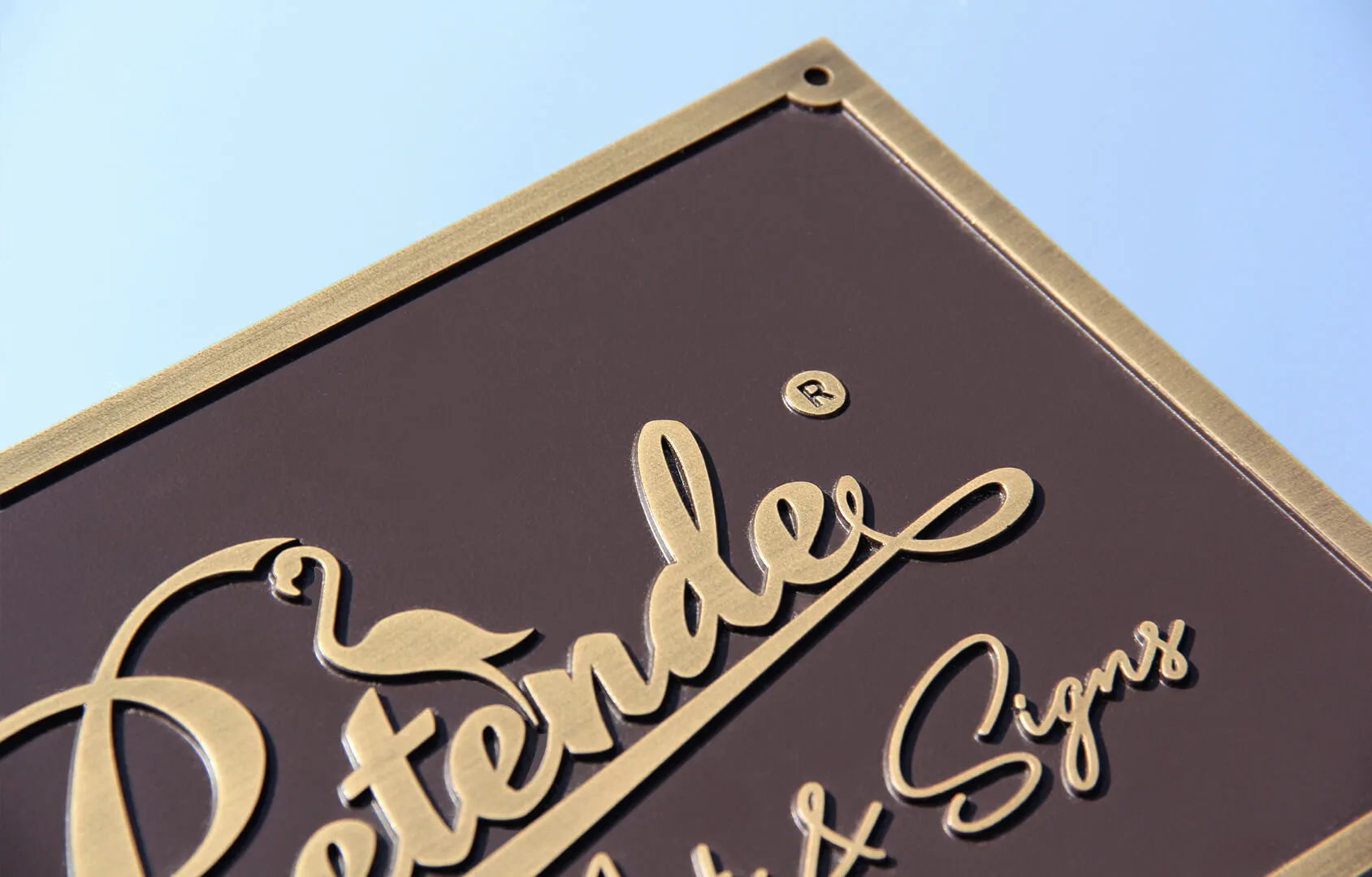
Plaque as part of architecture
A well-designed plaque is not an addition.
It is part of the place.
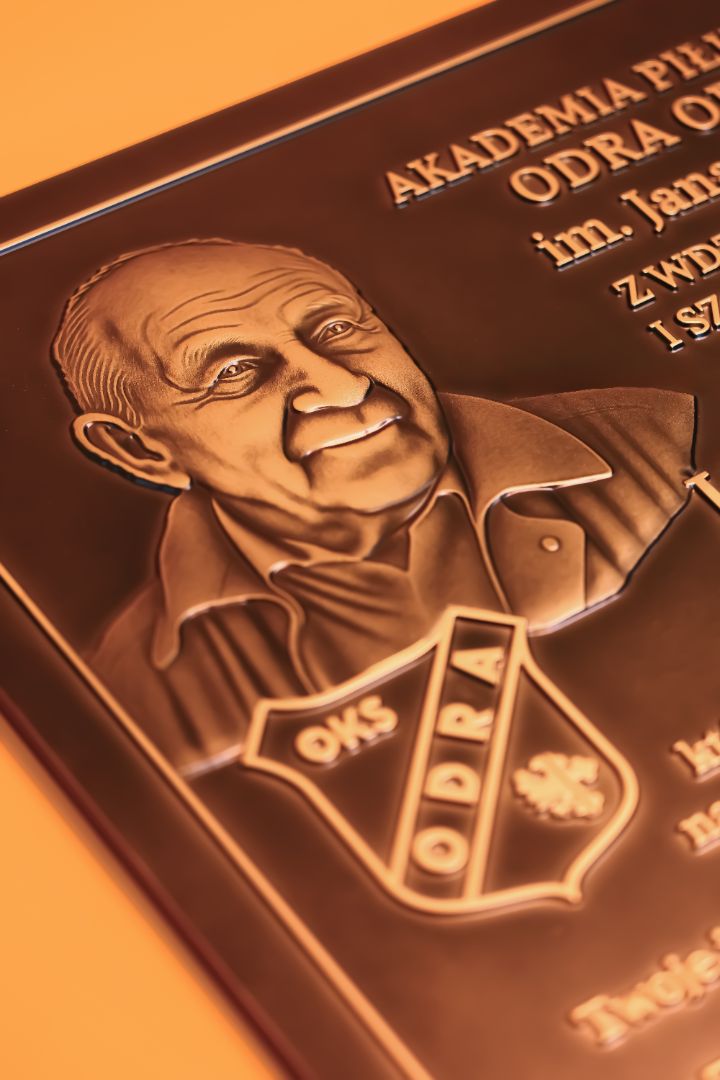
A plaque for a building, a hotel, or a museum does more than inform. It organizes space and shapes perception.
In projects such as a memorial plaque or a monumental plaque, signage takes on additional meaning — it becomes part of identity.
That is why a representative form is so often chosen.
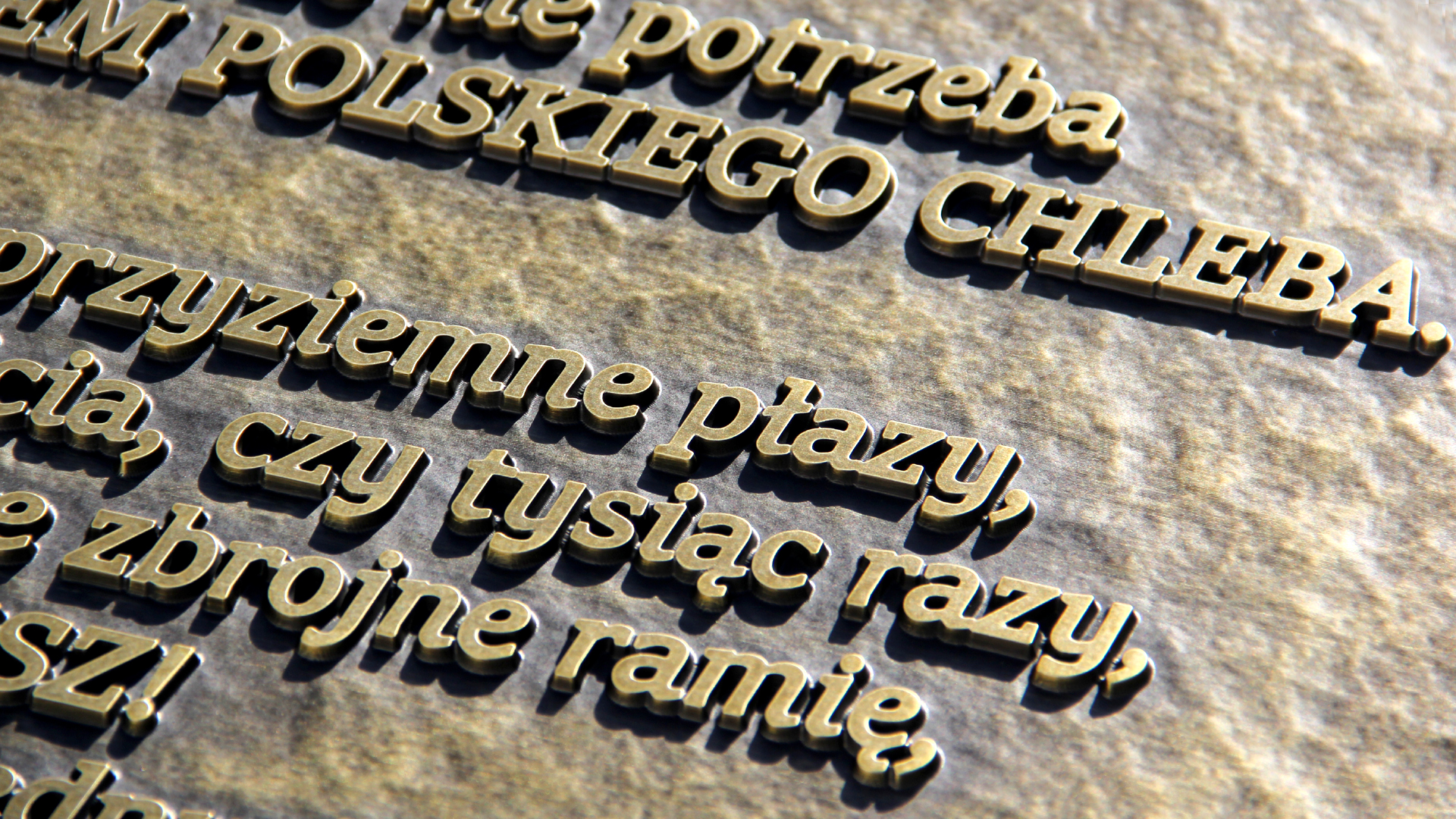
Metal has one key characteristic: it does not “wear visually” in the typical way.
Over time, it stabilizes, develops a patina, and gains character.
This is why signage does not age — it matures.
When it is the right choice
Not every type of signage should be permanent.
If the content changes — a replaceable solution is better.
But if the information is meant to remain:
- building name
- institution designation
- hotel plaque
- museum plaque
then designing something temporary makes no sense.
In such cases, an engraved metal plaque is the natural choice.
One decision instead of a series of corrections
Designing signage is not about choosing appearance.
It is a decision about whether the topic will come back.
If the material, proportions, and readability are well designed, signage stops being something that needs to be managed.
It becomes part of the architecture.
And it simply works.
Signage that does not come back
A representative engraved metal plaque is not a “for now” solution.
It is a solution for places that have an identity and do not want to redefine it every few years.
This is not a plaque.
It is a decision that signage will not return as a problem.